
Thinking about starting a green business in the UAE? It’s a smart move. The country is really pushing for a sustainable future, and that means big opportunities for cleantech. You’ve got a government that’s all in, a market that’s growing, and a whole lot of support for new ideas. We’ll walk you through what you need to know about the cleantech business model UAE has to offer, from understanding the market to finding the right funding.
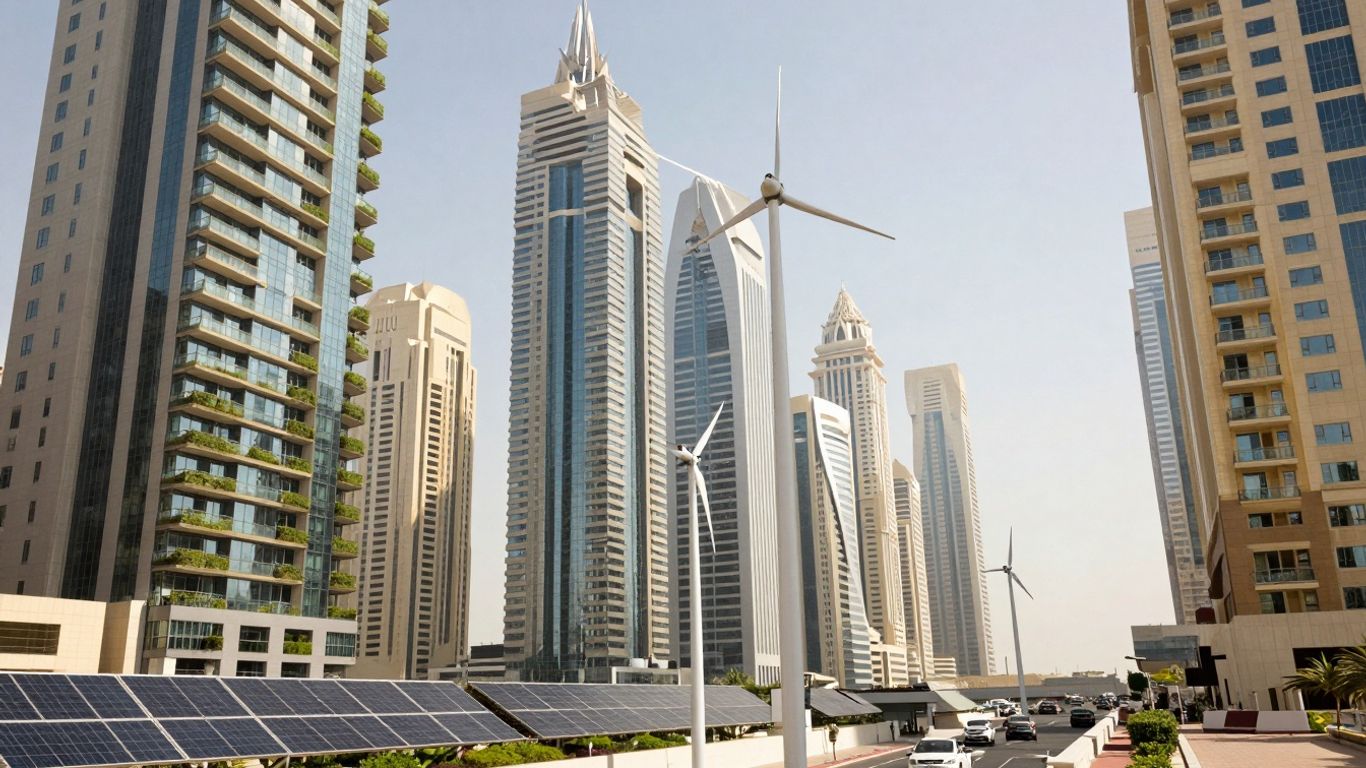
So, you're looking at the UAE's green economy? That's smart. The country's commitment to reaching net-zero emissions by 2050 isn't just an environmental goal; it's a massive economic engine. Think of it as a blueprint for growth, with sustainability at its core. This vision is already reshaping industries and creating a fertile ground for new businesses, especially in cleantech.
The UAE has set a bold target: net-zero greenhouse gas emissions by 2050. This makes it the first country in the Middle East and North Africa region to make such a commitment. But it's more than just a pledge; it's a strategic economic plan. Government estimates suggest this transition could lead to about 200,000 new jobs and a 3% boost to the GDP. It's about becoming a leader in green exports and innovation.
This national shift is designed to create a robust ecosystem for green ventures, attracting investment and talent while driving technological advancements.
Sustainability is no longer just a buzzword here; it's a driver of economic expansion. The UAE is actively cultivating an environment where green businesses can thrive. This includes support for research, training programs for the workforce, and mechanisms for climate finance. You'll find a growing number of green startups already making waves, from solar power solutions to waste-to-energy projects. For you, this means a market that's not only growing but also actively supported by official initiatives, funding, and pilot project opportunities.
The UAE's strategy focuses on six main sectors for cutting emissions. If you're thinking about starting a green business, these are the areas where you'll find the most traction and support:
The future for green entrepreneurs in the UAE looks really bright. The government is serious about its sustainability goals, businesses are getting involved, and people are more aware of climate issues. We're seeing massive investments in renewable energy, with solar power expected to reach at least 14 GW by 2030. Electric vehicles are also on the rise, with adoption rates climbing over 30% annually. Plus, there's a big push for green buildings, with billions pledged to finance sustainable construction. Even agriculture is attracting significant venture capital as the UAE focuses on local food production. And with new rules on single-use plastics and landfill targets, the waste management sector is ripe for innovation.
The UAE's commitment to sustainability is creating a rapidly expanding market for clean technologies.
Here's a quick look at some projected growth areas:
While the growth is impressive, there are still areas where you can make a real impact. For instance, mid-sized solar projects for small and medium-sized businesses don't get as much attention as the huge solar farms. This means there's an opening for specialized installers and service providers. In the electric vehicle space, much of the focus is on the cars themselves. There's a real need for software solutions that can manage EV charging schedules or help fleets track their usage. And with more companies wanting to ditch single-use plastics, there's a growing demand for sustainable packaging suppliers. We're also seeing potential in agritech, particularly with crops that can handle salty conditions and advanced biotech.
As green building codes become stricter, there's a growing need for low-carbon construction materials. While this is a priority, the market for these materials in the UAE is still quite limited, presenting a significant opportunity for pioneering companies.
Looking ahead, several trends are set to change the green tech scene in the UAE over the next decade. Artificial intelligence will play a big role in optimizing energy use, especially as solar and wind power become more common. Hydrogen technology is another big one; the UAE has a national plan for it, which could lead to new export opportunities. We'll likely see more advanced biofuels, particularly for planes and trucks, as industries look for cleaner options. And the idea of a circular economy will go beyond just recycling, focusing on the entire life of a product, from how it's designed to how it can be reused. Carbon offsetting and trading will also become more important as emission targets get tighter across different industries.
For startups with smart, forward-thinking solutions, these emerging trends offer a great chance to make a difference and benefit from the country's strong focus on sustainability.
You've got a great idea for a green business, and the UAE is definitely the place to explore it. The country is really pushing for sustainability across the board, which means there are specific areas where your venture can really shine. Focusing on solutions that directly address the UAE's unique environmental challenges and align with its national sustainability goals will give you the biggest advantage. Think about how your business can fit into these growing sectors:
The UAE's commitment to sustainability isn't just about meeting targets; it's about building a new economy. Your green venture can be a part of that transformation, addressing real-world problems with innovative solutions. The key is to align your business with the country's specific needs and ambitious vision for a cleaner future.
When you think about the UAE, water and waste might not be the first things that come to mind, but they're actually huge areas for green business. The country is seriously focused on making the most of every drop and turning trash into treasure. It's a smart move, especially given the climate.
The UAE is pushing hard to move away from just throwing things out. They've got laws coming in to cut down on single-use plastics and are aiming for some pretty high recycling rates. Plus, they're building plants to turn waste into energy. This means there's a real opening for businesses that can help make this happen.
The shift towards a circular economy isn't just about being "green"; it's about creating new economic value from resources that were previously discarded. This approach reduces reliance on raw materials and minimizes environmental impact.
Water is precious here, so efficiency is everything. The UAE is already getting smarter about how it desalines water, moving towards methods that use less energy, like solar-powered reverse osmosis. They're also looking at ways to reuse water and stop leaks.
These areas offer a lot of room for innovation, whether you're developing new technology or providing services to help existing operations become more efficient. The government is keen to support these kinds of solutions.
Starting a green venture in the UAE is exciting, and having a solid plan makes all the difference. The most important thing is to align your business with the UAE's clear sustainability goals and regulatory landscape. Think of it as building a house – you need a strong foundation, the right permits, and a clear blueprint before you start hammering nails.
Before you invest too much time and money, you need to be sure your idea makes sense in the UAE market. This means looking at who needs your product or service and understanding all the rules you need to follow.
Navigating the regulatory environment might seem daunting, but it's designed to support sustainable growth. By understanding and complying with these frameworks, you build trust and a solid operational base for your venture.
No business grows alone, especially in a dynamic market like the UAE. Building the right relationships and having a plan to grow are key.
How will you know if your green startup is succeeding? It's not just about profit; it's also about impact.
By focusing on these areas, you can build a strong foundation for your green startup and position it for success in the thriving UAE market.
Finding the right support and funding is key to getting your cleantech venture off the ground in the UAE. The UAE government and its partners are actively creating pathways for green businesses. You'll find a mix of grants, accelerators, and investment opportunities designed to help you grow.
The UAE has several programs aimed at boosting sustainability. Keep an eye on initiatives from entities like the Mohammed Bin Rashid Innovation Fund (MBRIF), which supports various projects including those focused on sustainability. They offer things like subsidized loans and an accelerator track. The Khalifa Fund and Dubai SME Fund also provide grants and loans, especially for Emirati entrepreneurs, and they're keen on green projects. You can explore UAE government grants for early-stage startups, which often include mentorship alongside financial backing.
These hubs are fantastic places to connect and get structured help. The Catalyst in Masdar City is the Middle East's first cleantech accelerator, offering seed funding and office space. Hub71+ ClimateTech in Abu Dhabi is another great spot, acting as a launchpad for climate-focused businesses. They help connect startups with investors and corporate partners. The UICCA Circular Economy Launchpad specifically targets waste reduction and recycling ideas, offering mentorship and pilot projects.
Beyond government programs, there's growing investor interest. While early-stage funding can still be a gap, look into regional funds and corporate venture arms that are increasingly focused on climate tech. The UAE's commitment to net-zero targets means there's a strong push for solutions in renewable energy, green hydrogen, and carbon capture. Keep an eye on announcements from sovereign wealth funds and private equity firms that are building portfolios in the sustainability space. For example, Yellow Door Energy's significant funding round shows a strong appetite for regional, commercially proven climate tech.
Look, building a clean tech business in the UAE is exciting, but let's be real – it's not always smooth sailing. You're going to hit some bumps. The biggest hurdle you'll likely face is navigating a rapidly evolving regulatory and policy landscape, which can create uncertainty for both investment and scaling. But understanding these challenges upfront means you can plan better and find smart ways around them.
Finding the right people is tough, especially with specialized skills needed for things like advanced battery tech or carbon capture. The demand is high, and sometimes the local talent pool might not have the exact experience you need right away. It's a common issue in fast-growing sectors.
Bringing cutting-edge technology into the UAE is one thing; making it work effectively and sustainably within the local context is another. You want to avoid just being a reseller of foreign tech. True success means adapting and integrating it.
The key here is to see challenges not as roadblocks, but as opportunities to innovate and build a more resilient business. By proactively addressing talent gaps and focusing on genuine technology transfer, you're setting yourself up for more sustainable growth in the long run. It's about building something that lasts, not just something that's new.
Table: Common Cleantech Talent Gaps in the UAE
Dealing with tough issues in the clean energy world can be tricky. Many new companies face hurdles like getting enough money or finding the right people to help them grow. It's a common problem, but there are ways to overcome it.
We help founders in the UAE connect and solve these problems together. Want to learn how we can support your clean energy venture? Visit our website to find out more.
So, you've seen how the UAE is really pushing for a greener future, right? It's not just talk; there are actual plans and money going into making things sustainable. Whether you're thinking about solar power, electric cars, or even smarter farming, there are real opportunities here. The government is backing these ideas, and people are starting to care more about the planet. It might seem a bit complex to get started, with all the rules and finding the right people, but there are groups ready to help you figure it out. Think of it as building something new that's good for business and good for everyone else too. The UAE is setting itself up to be a leader in this, and if you've got a good idea, now's the time to see if it fits into this exciting picture.
Think of "net-zero" as the UAE's promise to balance out all the greenhouse gases it releases with ones it removes from the air, aiming for zero by the year 2050. It's not just about helping the planet; it's also a smart plan to create new jobs, boost the economy, and make the country a leader in selling green products worldwide. They're focusing on key areas like energy, factories, cars, buildings, trash, and farming to make these changes.
The UAE is super keen on green ideas! They're investing billions in things like solar power, making transportation cleaner (think electric cars and buses), building eco-friendly structures, growing food smarter, and managing waste better. There are also big efforts in water conservation. You'll find lots of opportunities if your business helps with these goals, like creating new solar tech, building charging stations for electric vehicles, or finding new ways to recycle.
Absolutely! While big solar farms are getting attention, there's a gap for smaller solar projects aimed at businesses. For electric cars, we need more smart software to manage charging, not just the charging stations themselves. Also, with single-use plastics being banned, companies that can supply eco-friendly packaging are in high demand. And in farming, exploring crops that can grow in salty soil or using advanced tech to grow food with less water are great opportunities.
You're in luck! The UAE government offers tons of support. There are special funds like the Khalifa Fund and Dubai SME Fund that can give grants and loans. Plus, there are innovation hubs and programs like The Catalyst in Masdar City that act like accelerators, giving you funding, office space, and guidance. They want to help your green idea grow!
It can be a bit tricky because the green tech field is growing so fast! Finding engineers and researchers with specialized knowledge in areas like energy storage can be tough. But, the UAE is working on this by creating training programs and partnering with universities to make sure there are skilled people available. They also encourage foreign companies to train local talent, which helps build expertise right here.
Besides finding skilled workers, another challenge is making sure new technologies developed elsewhere actually get used and improved upon locally. To tackle this, the government has programs that require foreign companies to set up local research spots and train local engineers. For your own startup, understanding the local rules, finding good partners, and maybe even testing your ideas in special 'regulatory sandboxes' can make a big difference.


