

You're curious about the companies making a real difference in the environmental and green tech space, right? It's a big deal these days, with everyone talking about climate change and what we can do about it. From electric planes to new ways of growing food and cleaning up the air, there are some seriously smart people and companies out there working on solutions. We've put together a list of 15 top players that you should know about, even if you're not specifically looking for cleantech companies in the UAE. These innovators are changing the game.
You know, getting around is a big part of our lives, and how we do it really impacts the planet. That's where BETA Technologies comes in. They're building electric aircraft that could change how we think about transportation, making it cleaner and quieter.
Think about it: instead of noisy, polluting planes or helicopters, imagine quiet, electric vertical takeoff and landing (eVTOL) vehicles. BETA is working on making that a reality.
Here's what you should know about them:
BETA Technologies is tackling a tough challenge: making air travel sustainable. By focusing on electric power and versatile aircraft designs, they're aiming to create a new way to move people and goods that's better for the environment.
They're still developing their technology, but the idea of cleaner, more accessible air travel is pretty exciting, right?
You know how sometimes you buy produce, and it goes bad way too quickly? Apeel is tackling that exact problem. They've developed a way to make your fruits and veggies last a lot longer, cutting down on food waste.
Think of it like this: Apeel creates a super thin, invisible layer that you can't see or taste. It's made from plant-based materials, like the stuff left over from making juice or olive oil. This layer acts like a natural barrier, keeping moisture in and oxygen out, which is what makes food spoil.
Here's what you should know about Apeel:
Apeel's approach is pretty smart. Instead of trying to change how we grow food or how we transport it, they're focusing on making the food itself last longer. It's a simple idea, but it has a huge impact on reducing waste throughout the supply chain.
So, next time you see produce with the Apeel sticker, you know it's got a little something extra to help it stay fresh on your counter.
When you think about electric cars, you probably think about batteries, right? Well, Northvolt is a Swedish company that's really shaking things up in how those batteries are made. They're focused on making batteries with a much smaller carbon footprint.
Founded in 2015, Northvolt is all about sustainable battery production. They're not just building batteries; they're building them in a way that's better for the planet.
Here's what makes them stand out:
Northvolt's approach tackles a major challenge in the EV world: the environmental impact of battery production itself. By prioritizing clean energy and recycling, they're aiming to make the whole electric vehicle ecosystem truly greener.
They've gotten a lot of backing from big names like Volkswagen and BMW, which shows how important their work is for the future of transportation and energy storage.
You know, when you think about green energy, you probably picture solar panels or wind turbines. But there's a whole other side to it – how we manage and supply that energy. That's where Octopus Energy Group really shines.
They're not just another energy company; they're building the tech to make green energy work for everyone.
What makes them stand out?
They're tackling the energy transition from multiple angles, from how energy is supplied to how customers interact with it. It’s a big job, but they seem to have a solid plan.
If you're curious about how technology is changing the energy game, Octopus Energy Group is definitely a company to watch. They're proving that you can be both environmentally conscious and customer-friendly, all thanks to some clever tech. You can check out their work in green energy supply.
Pivot Bio is changing how we think about feeding the world by ditching synthetic fertilizers. You know, those chemical ones that take a lot of energy to make and can mess with our environment? Pivot Bio has found a way around that. They've developed these cool microbes, basically tiny natural helpers, that can pull nitrogen right out of the air and give it to crops. It's like giving your plants a direct, natural boost.
Why is this a big deal? Well, traditional nitrogen fertilizers are a huge source of greenhouse gas emissions. Making them uses a ton of energy, and when they get into waterways, they can cause problems. Pivot Bio's approach cuts down on all that.
Here's what you should know:
They've raised a good chunk of money, over $600 million, and have a team of 251-1,000 people working on this. It shows that investors and scientists see the potential for this kind of innovation.
Imagine fields growing strong, healthy crops, all thanks to tiny organisms doing their natural job, without the heavy environmental cost. That's the future Pivot Bio is working towards, making agriculture a little greener, one field at a time.
So, you're curious about companies actually pulling carbon dioxide out of the air? That's where Climeworks comes in. They're pioneers in direct air capture (DAC) technology, which basically means they've built machines that suck CO2 right out of the atmosphere. It's a pretty big deal because, unlike other methods that might reduce emissions, this actually removes what's already there.
Here's a quick rundown of what they do:
It's a complex process, and scaling it up is the big challenge, but the idea is straightforward: clean up the air.
The technology Climeworks uses is designed to capture historical CO2 emissions. This is different from technologies that focus on preventing new emissions. It's a way to actively reverse some of the damage already done to the climate.
They've been around since 2009 and are based in Switzerland. They've been working on refining their DAC technology and building larger facilities, like the one in Iceland that's designed to capture a significant amount of CO2 each year. It's definitely one of the more ambitious approaches to tackling climate change.
When you think about electric vehicles (EVs), BYD is a name that's really making waves. This Chinese company isn't just dabbling in EVs; they're a massive player, producing millions of cars annually. What's cool is that they're not solely focused on making new cars. They're also looking at what happens to batteries after they're used, which is a big deal for sustainability.
BYD's impact is pretty significant:
It's not just about the cars themselves, though. BYD is also a major force in manufacturing other components, like batteries, which are crucial for the entire clean energy ecosystem. They're constantly innovating, pushing the boundaries of what's possible in electric transportation and energy storage.
The sheer scale of BYD's operations means their choices have a real impact on the global shift towards cleaner energy. They're not just building vehicles; they're building a future where transportation and energy are more sustainable.
Their commitment extends beyond just selling vehicles. BYD is working on making the entire lifecycle of their products more environmentally friendly. This forward-thinking approach is why they're a company to watch in the clean tech space.

You probably know Tesla best for its electric cars, and for good reason. They really kicked off the whole EV trend, making them mainstream. But Tesla's impact goes way beyond just cars.
They're a major player in energy storage, too.
Here's a quick look at what they're doing:
Tesla's work in energy storage is just as important as their cars for a cleaner future. By providing reliable ways to store power from renewables, they're helping to make the grid more stable and less reliant on fossil fuels.
It's pretty impressive how they've managed to bring these technologies to the forefront. They've captured about a 15% market share in BESS, which is no small feat.
When you're looking at the big players in energy storage, Sungrow is definitely a name that pops up. This Chinese company is a major force, especially in Battery Energy Storage Systems (BESS). They've been around since 1997 and have grown into a significant global provider.
Sungrow holds about 10% of the global BESS market, making them a top contender. While they might not always be in the absolute top spot, they are consistently one of the leading companies.
Here's a quick look at what they bring to the table:
Their financial performance shows their strength, with a reported profit of $1.3 billion in 2023. They employ over 13,000 people, showing the scale of their operations.
Sungrow's consistent presence in the BESS market highlights the growing need for reliable energy storage as more renewables come online. Their technology plays a vital role in making sure we can use clean energy even when the sun isn't shining or the wind isn't blowing.
You know how a lot of the buzz in energy storage is about batteries for electric cars or grid-scale lithium-ion systems? Well, Antora Energy is looking at a different kind of storage, and it's pretty interesting. They're focusing on thermal energy storage, which is basically storing energy as heat.
Their big idea is to use this stored heat to provide clean, reliable power for industrial customers. Think about factories and manufacturing plants – they use a ton of heat for their processes, and right now, that often comes from burning fossil fuels. Antora wants to offer a cleaner alternative.
Here’s what you should know about them:
Antora's approach tackles a part of the energy puzzle that often gets overlooked. While everyone's focused on electrifying transportation and buildings, the energy needs of industry are massive and complex. By storing energy as heat, they're aiming for a solution that's not only cleaner but also potentially more affordable for the heavy users of energy.
Founded in 2017 and based in the US, Antora has been steadily growing, raising significant funding to develop and deploy their technology. They're aiming to make a real dent in industrial emissions by offering a different path for energy storage.
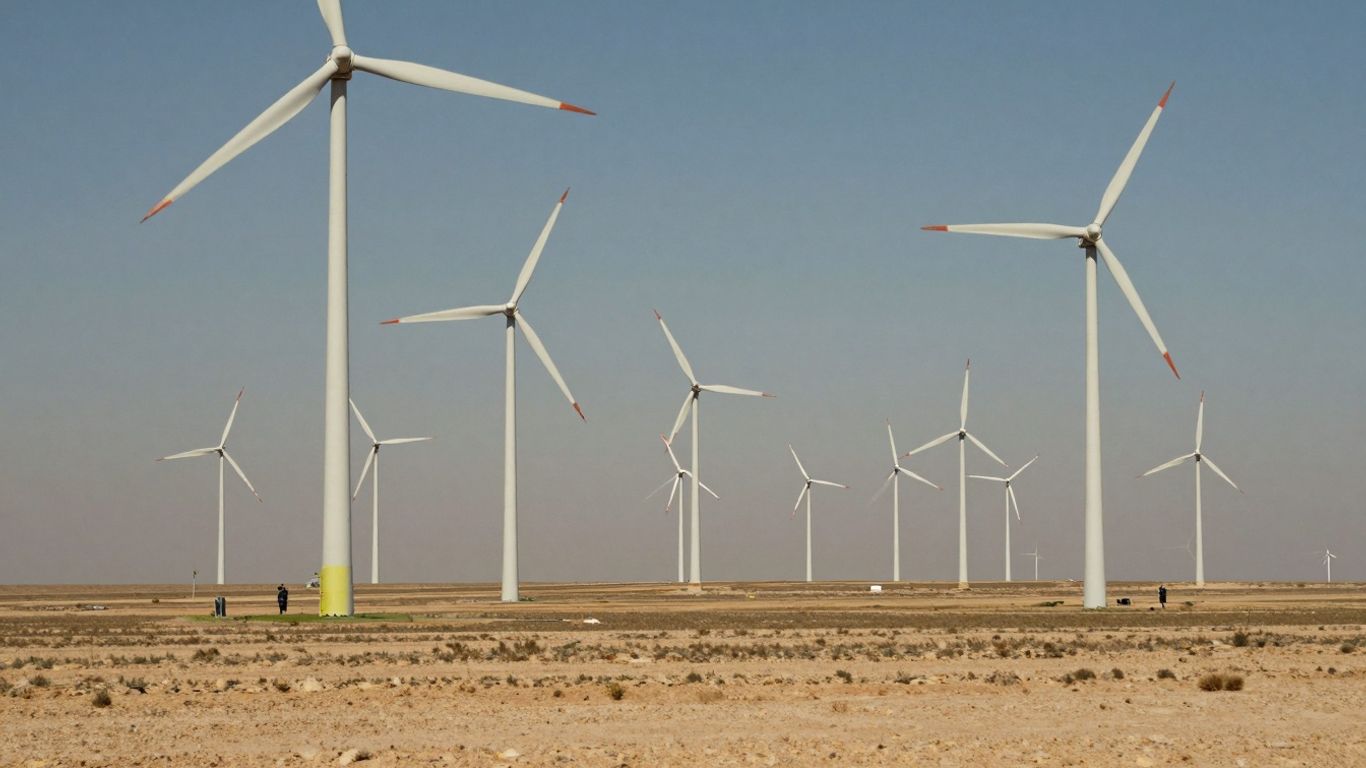
When you think about wind power, you might picture turbines spinning on a breezy hill. Goldwind, a company from China, is a major player in making that happen globally. They're one of the biggest wind turbine manufacturers in the world, holding a significant chunk of the market.
Here’s a quick look at what they do:
Goldwind's success shows how important manufacturing is in the clean energy transition. It's not just about new ideas; it's about building the actual machines that generate clean power on a large scale.
Think about it: all those turbines you see (or might see soon) are thanks to companies like Goldwind, making renewable energy a reality.
You know, sometimes the most effective solutions come from the simplest ideas. That's exactly what 4Ocean is all about. They've turned cleaning up our oceans into a business model, and it's actually working.
Here's the lowdown on how they operate:
It's pretty straightforward: you get a cool product, and the planet gets a little bit cleaner. They're not a non-profit, but their mission is all about environmental recovery, making it a unique player in the green tech space.
It’s a really direct way to contribute. You see the product, you know what it does, and you can feel good about supporting their efforts to tackle ocean pollution head-on.
You know, tackling climate change feels like a huge puzzle, and one big piece is figuring out what to do with all the carbon dioxide already out there. That's where CarbonCapture comes in. They've developed a way to pull CO2 right out of the air using machines that are pretty adaptable.
What's really neat about their approach is that these machines don't just grab CO2. They also collect clean water that's naturally in the air. So, you get a double benefit: less CO2 and a source of water. It's a smart way to get two important things done at once.
Here’s a quick look at what makes them stand out:
The idea is to make these machines scalable, meaning they can build more of them to capture more CO2. It’s a practical way to start cleaning up the air we already have.
Founded in 2019 and based in Pasadena, California, CarbonCapture has attracted attention from some big names. Investors like the Climate Pledge Fund, Rio Tinto, and even Marc Benioff's TIME Ventures have put money into the company. This shows that people are seeing the potential for this kind of technology to make a real difference.
You know, figuring out what's happening with our planet can feel like trying to read a really complicated map. That's where Astraea comes in. They're using AI and satellite data to make sense of environmental information, which is pretty neat.
Think about it: we need to understand climate patterns and how they affect everything. Astraea's EarthAI platform is designed to help with just that. It takes a ton of data from space and turns it into insights you can actually use.
Here's what you should know about them:
It's kind of like having a super-smart assistant that can look at the whole planet and tell you what's going on. This kind of technology is becoming really important as we try to deal with climate change and make better choices for the environment. They've also gotten some good backing from investors, which shows people believe in what they're doing.
Astraea's work is a good example of how technology can help us see the bigger picture when it comes to our environment. It's not just about collecting data; it's about making that data useful for real-world problems.
Founded in 2016, Astraea is based in Charlottesville, Virginia. They've received funding from investors like Aligned Climate Capital and Carbon Drawdown Collective, showing a growing interest in climate tech startups that use advanced data analysis.
Gradiant is a company that's really shaking things up in the water treatment world. They're all about making industrial water use way more efficient and sustainable. Think about it – so many industries use massive amounts of water, and a lot of that is just wasted or ends up as pollution. Gradiant is stepping in to fix that.
What they do is pretty clever. They use advanced technologies to treat and reuse water, which means companies can cut down on how much fresh water they pull from the environment and also reduce the amount of wastewater they discharge. It's a win-win, really.
Here’s a quick look at what makes them stand out:
The biggest hurdle for companies trying to be greener often comes down to resources, and water is a huge one. Gradiant tackles this head-on by providing the tools and tech to manage water much more responsibly. It’s not just about saving water; it’s about rethinking how industries interact with this vital resource.
They're helping sectors like microelectronics, pharmaceuticals, and food and beverage to significantly lower their water footprint. It’s a big deal when you consider how much water these industries consume. By making water treatment more effective and economical, Gradiant is paving the way for a more sustainable industrial future.
Discover the power of gradients in design! These smooth color transitions can add depth and visual interest to your projects. Want to see how they can make your work pop? Visit our website to explore stunning examples and learn how to create your own.
So, there you have it – a look at some of the companies really shaking things up in the green tech world. It’s pretty inspiring, right? You’ve seen everything from electric planes to ways to keep food fresh longer, and that’s just scratching the surface. The big takeaway here is that these folks aren’t just dreaming up ideas; they’re building real solutions that can actually make a difference. It’s not always easy, and there are definitely hurdles to jump, like getting enough money or making new tech work with old systems. But seeing how many people are working on this, and how many different problems they’re tackling, gives you a good reason to feel hopeful. The future is looking greener, and you’re part of it just by being interested.
Think of GreenTech as technology that's all about helping our planet. It's designed to either make things better for the environment or to fix some of the damage we've already done. It's like giving Earth a helping hand through smart inventions and new ideas.
Companies like BETA Technologies are making planes that run on batteries, which means cleaner air travel. Apeel creates a special wrap from natural stuff to keep food fresh longer, cutting down on waste. They show us new ways to do things that are kinder to our planet.
Northvolt makes batteries for electric cars and storing energy, which is key for using less fossil fuel. Octopus Energy Group is all about providing green energy. They're helping us switch to power sources that don't harm the environment as much.
Pivot Bio uses science to help farms grow food in a way that's better for the soil and uses fewer chemicals. Climeworks is working on machines that can actually pull carbon dioxide, a greenhouse gas, right out of the air. It's like cleaning up the atmosphere!
Not at all! While EVs and batteries are a big part, GreenTech covers a lot more. You've got companies working on cleaning water, reducing trash, making smarter energy grids, and even using waste to create new things. It's a whole range of green solutions.
It can be tricky! Developing new tech often costs a lot of money and takes time. Plus, fitting these new ideas into how things are already done can be tough. But many companies are finding ways to start small and grow, or work with bigger businesses to make a difference.


