

Top 15 Food & Beverage Tech: QSR & Delivery Innovation

Building in MENA? You don't have to do it alone.
Join 300+ founders in the Founder Connects Residency. Monthly squad calls, warm intros, $3M+ in perks, and much more. All for less than your monthly coffee budget.

So, you're thinking about the next big thing in food and drinks, huh? It's a wild world out there, with new ideas popping up all the time. From plant-based burgers to robots making your coffee, there's a lot to keep up with. We've checked out some of the coolest trends, especially for quick service restaurants and delivery. If you're looking for inspiration, maybe even for f&b tech startups UAE, you've come to the right place. Let's dive into what's making waves.
Key Takeaways
- You'll want to keep an eye on plant-based foods and anything eco-friendly; people are really into that now.
- Restaurants that offer something fun, like entertainment or a place to charge your electric car, might do really well.
- Using tech, like self-ordering kiosks or apps, can make things faster and help you serve more people.
- People want their food fast and easy, so think about quick pickup spots or drive-thrus that are super efficient.
- Focusing on what customers want, like healthier options or unique flavors, is a smart move for any food business.
1. Plant-Based Fast Food
Plant-based eating isn't just a trend anymore; it's a major player in the fast food scene. More and more people are choosing plant-based options, even if they aren't strictly vegetarian or vegan. It's about making a conscious choice for health and the planet, and restaurants are catching on fast.
Think about it: you can offer familiar favorites like burgers, tacos, or even pulled pork sandwiches, but made entirely from plants. Ingredients like mushrooms, jackfruit, and various legumes can mimic textures and flavors surprisingly well. This opens up a huge market.
Here’s what you should keep in mind:
- Broad Appeal: Don't think this is just for vegans. Many consumers are reducing meat intake for health or environmental reasons. Your menu should reflect this wider audience.
- Ingredient Innovation: The quality and variety of plant-based ingredients have exploded. From advanced meat alternatives to creative vegetable preparations, there's a lot to work with.
- Familiar Formats: People love fast food because it's easy and familiar. Offering plant-based versions of classic fast food items makes the transition simple for customers.
The shift towards plant-based eating is driven by a mix of health consciousness, environmental concerns, and a genuine curiosity about new flavors and textures. It's not just about replacing meat; it's about creating delicious food that happens to be plant-based.
Consider looking at successful models like Copper Branch, a Canadian chain that built its entire brand around 100% plant-based meals. They focus on items like "power salads" and creative plant-based burgers. This shows you can build a whole QSR concept around these ingredients and attract a large customer base.
2. Automated QSR
You know, the biggest win with automated QSR right now is how it helps you deal with staff shortages and rising labor costs. It's not about replacing everyone with robots, though that's an option. Think smaller, smarter steps.
- Self-service kiosks are a game-changer. You can put them right at the counter, or even let customers order using QR codes on their tables. It speeds things up and lets your staff focus on making food, not just taking orders.
- Voice ordering is getting really good. Imagine a drive-thru where AI handles the order. It's becoming more affordable, and tools can even integrate with systems you might already be using, like Square or Toast.
- Automation isn't just for customers. There are AI assistants that can answer common questions for your staff. If your team already uses headsets, this can help them get quick answers without interrupting service.
These tools don't have to break the bank. Many use simple tablets, making them accessible even for newer businesses. It's about making your operation smoother and giving your customers a faster experience.
The key is to reduce friction wherever you can. When different parts of your ordering system don't talk to each other, decisions get delayed, and customers notice the disconnect whether they're ordering online, at the counter, or through an app.
Consider adding these tech touches. They can really help streamline things and make your QSR more efficient.
3. Quick Pick-Up QSR
You know how online ordering for takeout and delivery blew up? Well, that trend isn't going anywhere. But those delivery fees can really eat into your profits, or make your food seem pricey to customers. That's where the quick pick-up QSR comes in. Think of it as a dedicated express lane for folks who've already ordered online.
This concept is all about making it super easy and fast for customers to grab their food without the hassle of waiting or the cost of delivery. It's a smart move for any quick-service restaurant that sees a lot of takeout orders.
Here’s why it’s a game-changer for you:
- Saves You Money: By encouraging customers to pick up their own orders, you cut down on third-party delivery fees. That's more money staying in your pocket.
- Boosts Efficiency: A dedicated pick-up spot, maybe even a separate lane like Panera has done, means less congestion at your main counter or drive-thru. Your staff can focus on making food, not managing a chaotic pick-up zone.
- Meets Customer Demand: People want their food fast. Offering a quick, convenient pick-up option directly addresses that need, making customers happy and more likely to return.
- Optimizes Space: You can even repurpose existing parking lot space or a drive-thru lane to create this dedicated pick-up area. It's a smart way to use what you already have.
This isn't about replacing delivery entirely, but about offering a cost-effective and speedy alternative that benefits both you and your customers. It’s about giving people choices and making the entire process smoother.
By integrating connected technologies, you can get a clear picture of your QSR operations, from POS systems to mobile orders. This helps you understand customer habits and tailor your services, ultimately making the whole experience better and driving growth for your business. See how data helps.
4. EV-Fueled Fast Food Restaurant
More and more people are driving electric cars, and that means more charging stations are popping up. This presents a cool opportunity for fast food places to set up shop right next to them. Think about it: people need to eat while their car juices up. It’s a natural fit.
This idea is already taking off. Some companies are building charging sites that include restaurants. They're basically creating a one-stop shop for EV drivers. It makes sense because drivers often look for places to grab a bite while they wait. You can find more about this trend by looking at how EV drivers often charge near Quick Serving Restaurant brands.
Here’s why this concept works:
- Convenience for Drivers: People can grab a meal or a snack without going out of their way. They're already there waiting for their car.
- Built-in Customer Base: As EV adoption grows, so does your potential customer pool.
- Potential for Partnerships: You can work with charging companies to create a unique destination.
Setting up a fast food spot near EV charging stations is a smart move. It taps into a growing market and offers a service people actually need while they're waiting.
It’s a win-win. Drivers get their food, and you get customers who are literally stuck there waiting. It’s a simple idea, but with the rise of electric vehicles, it’s becoming a really practical business strategy.
5. Omakase Espresso Experience
Think about giving your customers a coffee experience that's a bit like a tasting menu. The idea of 'omakase,' or 'chef's choice,' is popping up everywhere, and it's not just for fancy dinners anymore. People are really into trying different coffee drinks, kind of like a flight of beers or wines. Yelp saw a huge jump in searches for 'espresso omakase' recently, so there's definitely interest.
This could mean offering curated coffee flights. You pick a few unique brews, maybe from different regions or with different flavor profiles, and serve them together. It's a way to let customers explore without having to make all the decisions themselves. You could even offer a few different flight options, like a 'light roast journey' or a 'decaf delight.'
Here’s how you might structure it:
- Curated Selection: Choose 3-4 small servings of coffee. Think about variety – maybe a single origin, a blend, and a special preparation.
- Tasting Notes: Provide a small card with details about each coffee – where it's from, the flavor notes, and why you chose it.
- Price Point: Keep it accessible. Prices seen in the market range from $15 to $20 for a good experience, though some high-end places go up to $80.
It’s a way to make a simple cup of coffee feel special and educational. You're not just selling coffee; you're selling an experience. This kind of thoughtful presentation can really make your spot stand out, especially when it comes to food delivery packaging that aims to replicate that special feeling at home.
This approach turns a daily ritual into a moment of discovery. It's about guiding your customers through a flavor journey, making them feel like they're getting something exclusive and personalized, even in a quick-service setting.
6. Beverage First Concept
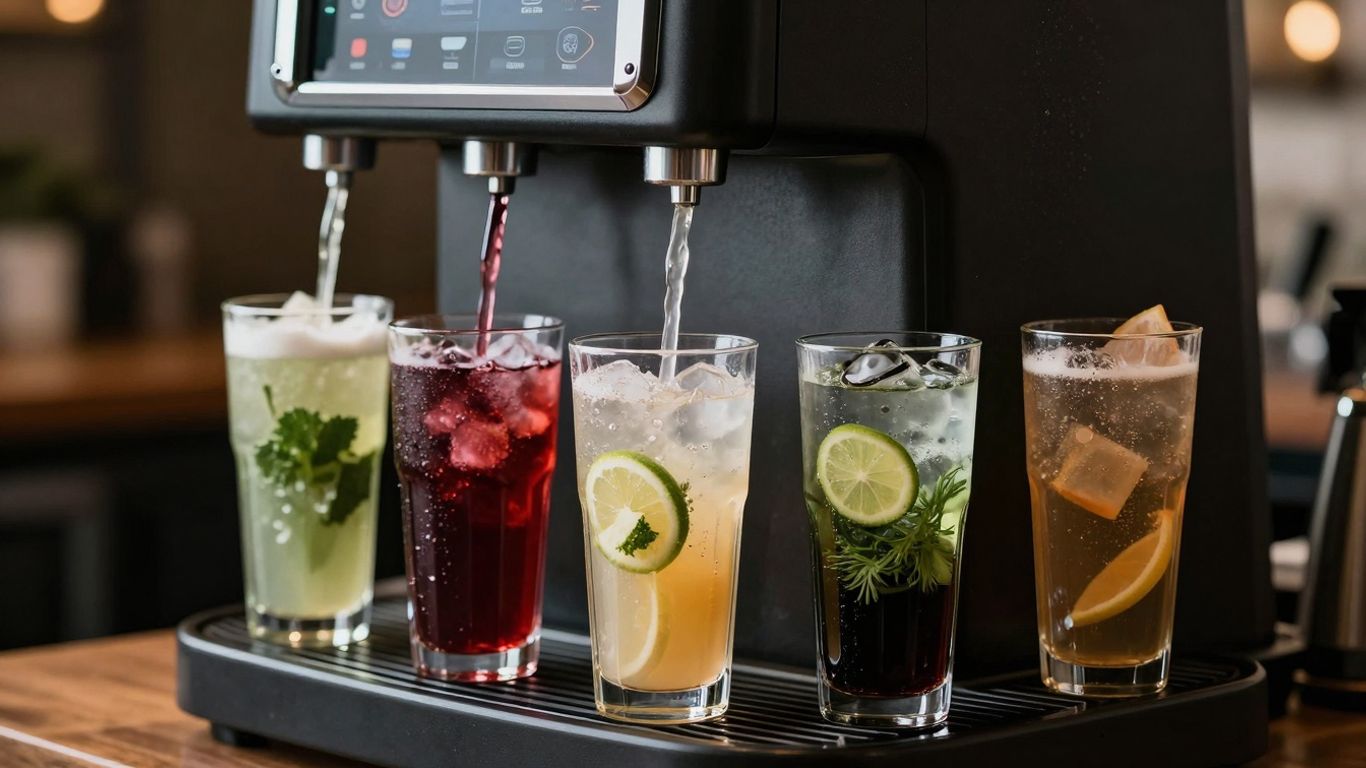
You know, sometimes the best way to build a food business is to start with what people drink. Focusing on beverages first can really set you apart. Think about it – people grab a drink all the time, whether they're thirsty, need a pick-me-up, or just want something tasty. Making that the star of your show can draw people in.
We've seen this work really well with coffee shops for ages, right? But it's not just about coffee anymore. Look at how popular iced teas have become. Brands like HTea0 have popped up and grown super fast by offering tons of different iced tea flavors. They even added coffee later on.
Here are a few ideas to get you thinking:
- Tea Houses: Beyond just iced tea, consider specialty teas like bubble tea (boba), traditional chai, or even matcha. You could offer flights of different teas so people can try a few.
- Coffee Creations: Think beyond a basic latte. What about unique coffee drinks, like Cuban or Vietnamese coffee? Or maybe a "coffee flight" where customers sample a few different brews or preparations.
- Other Drinks: Don't be afraid to explore less common beverages. Is there a fruit drink, a smoothie concept, or even a unique soda that could be the main attraction? Maybe a place focused on craft sodas or artisanal lemonades.
It’s all about finding that one drink people will crave and then building your food menu around it. This approach can really help you stand out in the busy food and drink market. It's a smart way to build a loyal following, especially if you can offer exciting drink innovation.
Building a concept around a specific beverage means you can really perfect that one thing. It allows for creativity in flavors, presentation, and even the experience of drinking it. This focus can make your business memorable and give customers a clear reason to choose you over others.
7. Stuffed Burger Bar
You know, burgers are a classic, but what if you could take that familiar comfort food and make it totally new? That's where the stuffed burger comes in. The real magic is in the surprise filling, turning a simple burger into a flavor explosion. It's a concept that's really catching on, offering a fun twist that customers are eager to try.
Think about it: instead of just toppings on top, you're sealing deliciousness inside the patty. This isn't just about adding cheese, though that's a great start. You could be talking about anything from spicy jalapeños and bacon to creamy mushrooms or even a sweet element like caramelized onions.
Here’s why this idea has legs:
- Novelty Factor: It's different. People are always looking for the next interesting thing to eat, and a burger with a hidden center definitely fits the bill.
- Flavor Containment: All those delicious juices and fillings stay inside, creating a more intense flavor experience with every bite. No more messy drips down your arm!
- Customization Potential: You can offer a range of fillings, from classic to adventurous, catering to different tastes and dietary preferences (think veggie fillings too).
- Visual Appeal: A cross-section of a stuffed burger, showing the gooey or flavorful center, is incredibly Instagrammable. It's food that looks as good as it tastes.
This concept plays on the popularity of familiar items while introducing an exciting new format. It’s a way to stand out in a crowded market by offering something familiar, yet surprisingly different.
8. Wings
Wings are a pretty big deal, right? They're the ultimate shareable snack that just keeps getting reinvented. Think about it – they're perfect for game day, casual hangouts, or just when you need something satisfying. Plus, they're relatively cheap to make, which is a win-win for both you and your customers.
What makes wings so great for a QSR or delivery concept?
- Flavor Flexibility: You can do almost anything with a wing. From classic buffalo and BBQ to trendy hot honey, Korean gochujang, or even a spicy Nashville style, the flavor possibilities are endless. This means you can keep your menu exciting and cater to all sorts of tastes.
- Upsell Opportunities: Don't forget the sides! Offering dipping sauces like ranch or blue cheese is an easy way to add value and cater to different preferences. If you have a liquor license, wings are also a fantastic driver for beer sales – that salty, spicy combo is hard to beat.
- Consumer Loyalty: People have strong feelings about their wings. They're tied to social events and traditions, making them a comfort food that customers are less likely to cut back on, even when budgets are tight.
The beauty of wings lies in their adaptability. They're a blank canvas for culinary creativity, allowing for constant innovation without straying too far from what people already love. This makes them a reliable and popular choice for quick-service and delivery businesses looking for a crowd-pleaser.
Consider how many wings were eaten during just one Super Bowl – it's a staggering number that shows just how much people love them. This consistent demand makes wings a smart bet for your business.
9. Traditional Mexican Food
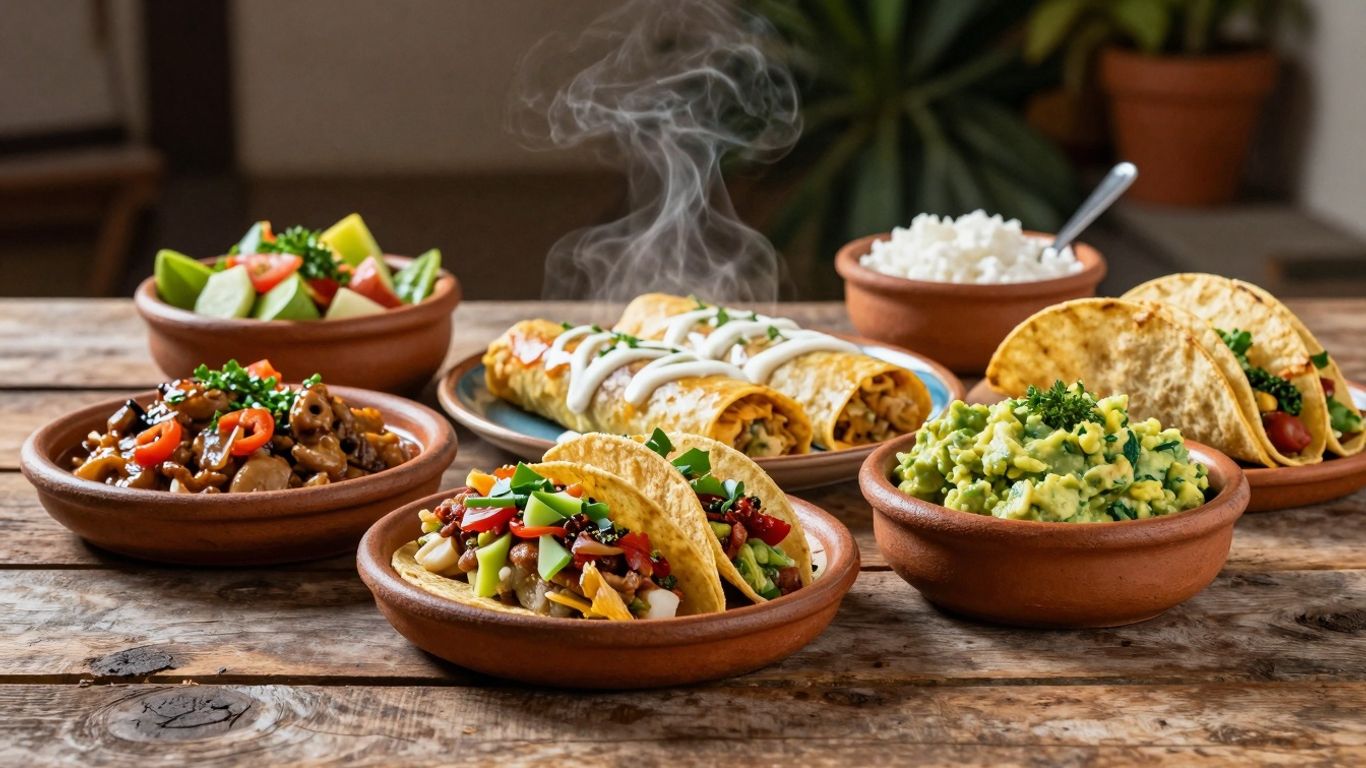
You know, tacos are pretty much a fast-food classic. But what's really interesting is how people, especially younger folks, are getting into more complex Mexican and Latin American dishes. It turns out a lot of people would happily eat Latin food every day if they had to choose just one cuisine.
The real opportunity here is to go beyond the standard taco and explore the rich variety of authentic Mexican flavors. Think about dishes like birria, a slow-cooked spicy beef stew, or a mangonada, that sweet, spicy, frozen mango drink you see at food carts. Even salsa macha, a flavorful, spicy oil-based salsa, is gaining traction.
These aren't just niche items anymore; they can be the heart of a new grab-and-go concept. Imagine a whole line of drinks inspired by the mangonada's sweet and tangy profile, or using salsa macha to add a kick to seafood dishes, which are also popular in certain Mexican regions.
Here's a quick look at some popular Mexican flavors that could inspire your next QSR idea:
- Birria: A rich, slow-cooked stew, often made with beef or goat, known for its deep, savory, and slightly spicy flavor. It's fantastic in tacos or on its own.
- Mangonada: A vibrant frozen drink blending mango, chili powder, lime, and chamoy. It hits all the notes: sweet, sour, and spicy.
- Salsa Macha: A Mexican chili oil with nuts and seeds. It's incredibly versatile, adding texture and heat to everything from tacos to grilled meats.
Understanding and introducing these authentic Mexican flavors can really set your fast-food concept apart. It's about offering something familiar yet exciting, tapping into a growing demand for genuine culinary experiences.
10. GLP-1 Focused Food
You've probably heard about the buzz around GLP-1 medications, and it's changing how people think about food. This trend means a growing demand for meals that align with these new dietary needs. If you're in the QSR space, this is a big opportunity to cater to a specific customer base. Think about it: people on these medications often need to watch their fat and sugar intake, focusing more on lean proteins, veggies, and healthy fats.
Here’s how you can tap into this market:
- Menu Design: Create specific menu items or a dedicated section. Smoothies, like those offered by Smoothie King, can be a great vehicle for nutrient-dense ingredients. Consider grab-and-go salads packed with greens and lean protein, or grain bowls featuring whole grains and low-glycemic fruits.
- Ingredient Focus: Prioritize lean proteins (chicken breast, fish, tofu), plenty of non-starchy vegetables (spinach, kale, broccoli), healthy fats (avocado, nuts), and whole grains. Berries are a good fruit choice because they are low in sugar.
- Messaging: Clearly label items that fit a GLP-1 friendly diet. Educate your staff so they can answer customer questions accurately.
The impact of GLP-1 medications on food spending is noticeable. Households using these drugs have shown a reduction in spending at both grocery stores and fast-food restaurants. This suggests a shift in consumer habits that QSRs can address with tailored options.
This isn't just a fad; it's a significant shift in consumer health priorities. By offering thoughtful, well-designed options, you can attract and retain customers who are actively seeking food that supports their health goals. It's about being proactive and providing solutions that fit into people's lives, making healthy eating convenient and accessible. You can find more information on how these medications are affecting food spending to better understand the market.
11. Premium Ingredient Fast Food Concept
You know, people are really starting to care about what they eat, even when they're in a hurry. It turns out, a lot of us are looking for 'better' food choices, and a good chunk of that means natural ingredients. What's even more interesting is that many are willing to pay a bit more for that quality. This is your chance to stand out in the fast food world.
Think about it: you can take a classic fast food item, like a burger or even a salad, and just make it better with higher-quality ingredients. It doesn't mean you have to completely reinvent the wheel. It's more about focusing on where your food comes from and the quality you're putting into it.
Here’s how you can approach this:
- Source Smarter: Look for suppliers who offer fresh, high-quality produce, ethically raised meats, or artisanal bread. Even small changes can make a big difference.
- Highlight the Good Stuff: Make sure your customers know what makes your food special. Use your menu and marketing to talk about the premium ingredients you use. Think about how Shake Shack talks about their quality.
- Price it Right: While you're using better ingredients, remember it's still fast food. You don't want to price yourself out of the market. Aim for a price point that's just a little higher than your competitors, maybe within 20% more, to keep it accessible.
Consumers are increasingly interested in making better food choices, with a significant percentage specifically seeking natural ingredients and being willing to pay a premium for them. This shift presents a clear opportunity for fast food concepts to differentiate themselves by focusing on ingredient quality without alienating budget-conscious customers.
This approach can really help you connect with customers who are looking for more from their quick meals. It’s about offering something a little bit special without making it a special occasion. You can find great examples of how companies are navigating current challenges and planning for the future by focusing on quality and customer value.
12. Sustainability-Based Quick Service
Thinking about how your restaurant impacts the planet is a smart move these days. More and more customers care about where their food comes from and how it's packaged. It's not just a trend; it's becoming a standard expectation.
Here's how you can make sustainability a core part of your quick-service concept:
- Packaging is Key: Look for compostable, recyclable, or reusable packaging options. Many suppliers now offer eco-friendly lines that don't cost a fortune. Think about ditching single-use plastics wherever possible.
- Waste Reduction: Implement practices to minimize food waste. This could mean smarter inventory management, using whole ingredients, or offering smaller portion sizes. Even small changes add up.
- Sourcing Smart: Where do your ingredients come from? Highlighting local sourcing or ingredients with a lower environmental footprint can be a big draw for conscious consumers.
- Energy Efficiency: Consider energy-saving equipment in your kitchen or using renewable energy sources if feasible. It's good for the planet and can save you money long-term.
Customers are noticing. When you show you're making an effort to be kinder to the environment, it builds trust and loyalty. It's about more than just serving food; it's about being a responsible business.
For example, many major suppliers now have dedicated sections for sustainable packaging in their catalogs. You can find everything from plant-based cutlery to recycled paper bags. It's easier than you might think to make the switch.
13. Entertainment-Focused Fast Food
You know, people aren't just looking for a quick bite anymore. They want an experience. Making your fast food spot more than just a place to grab food is a smart move. Think about how you can add some fun and engagement to the dining experience. It's not as complicated as it sounds.
Here are a few ways you can bring entertainment into your QSR:
- Nostalgic Games: Setting up a few classic arcade games can be a big hit. It brings back memories for older customers and is something new and exciting for younger ones. You can often rent these machines pretty easily.
- Interactive Photo Booths: Those old-school photo booths that print out little strips of pictures are surprisingly popular again, thanks to social media. They're a fun way for people to create a memory at your restaurant.
- Community Events: Hosting things like trivia nights or special themed evenings can get people talking and coming back. It builds a sense of community around your brand.
Adding these elements doesn't mean you need a huge budget. It's about creating moments that make people want to stay a little longer and share their experience with others. It turns a simple meal into a memorable outing.
Consider how a place like Chick-fil-A is even developing apps with games and shows. While a full app might be a lot, the idea of adding entertainment is totally doable for any QSR. It's about making your restaurant a destination, not just a stop.
14. Elevated Food Hall
Food halls are really shaking things up, and you should pay attention. They bring together multiple independent food concepts under one roof, which is a smart way to draw in crowds who can't decide on just one thing. Think about it: one person gets tacos, another gets sushi, and someone else wants Indian. Everyone's happy, and you've got a built-in diverse customer base. It's a big draw for groups and families.
Food halls are also a great way for smaller businesses to cut down on costs. You're sharing expenses like cleaning, security, and marketing with other vendors. This makes the startup costs way lower than opening a standalone restaurant. We're talking potentially tens of thousands instead of hundreds of thousands or even millions.
Here's why you might want to consider this model:
- Attracts Diverse Tastes: Caters to groups with varied cravings.
- Shared Operational Costs: Reduces overhead for individual vendors.
- Lower Startup Investment: More accessible entry point for new concepts.
- Community Hub: Becomes a destination for locals and visitors alike.
Many urban and suburban consumers have already shown they prefer food halls, with a significant majority supporting local restaurants over big chains. This trend suggests a strong market for unique, locally-sourced food experiences.
This setup is becoming a popular choice for diners looking for variety and local flavor. It's a model that really works for both the customer and the business owner, offering a flexible and cost-effective way to serve a wide range of people. You can find more about how Quick Service Restaurants are innovating in packaging, which is also a big part of the food hall experience.
15. College Campus-Focused Fast Food
When you're thinking about where to open your next fast food spot, don't overlook college campuses. They're a goldmine for consistent customers. Think about it: thousands of students, plus faculty and staff, all looking for quick, convenient meals. It's a built-in audience that's always hungry.
Here’s why a campus-centric approach makes sense:
- High Student Population: Campuses are packed with young adults who often have limited time and a craving for familiar, affordable food. They're also often early adopters of new trends.
- Meal Plan Integration: Platforms like Grubhub's Campus Dining program are a game-changer. They let students use their meal plan money at off-campus spots, opening up a huge new revenue stream for you. Grubhub saw a 30% jump in orders through this program in 2023, and it's expected to keep growing.
- Beyond Students: Remember, campuses also mean professors, staff, and a steady stream of visitors for events like homecoming or graduation. These groups also need places to eat.
- Adaptable Formats: Brands like Little Caesars are finding success with flexible designs, even modular units, which can be perfect for fitting into busy campus environments. Check out Little Caesars' campus expansion for ideas on how they adapt.
Setting up near a university isn't just about serving students. It's about tapping into a vibrant community with diverse needs and a constant flow of people. Plus, with delivery platforms increasingly integrating with campus meal plans, the barriers to entry are lower than ever.
Consider running special events or promotions tailored to campus life, like finals week study specials or homecoming discounts. This can really help you stand out and become a go-to spot for the campus community.
Many students crave familiar food options when they're on campus. That's why fast-food places are super popular in college towns. They offer quick, easy, and often affordable meals that busy students need. From burgers to pizza, these spots are a go-to for a quick bite between classes or late-night study sessions. Want to know more about how businesses thrive on campus? Visit our website for great tips!
What's Next for Your Food Business?
So, there you have it. The food and drink world is changing fast, and it's pretty exciting to see all the new ideas popping up. From making food that's better for the planet to using tech to make ordering a breeze, it feels like there's something for everyone. Whether you're thinking about starting your own place or just looking to spice up an existing one, remember that customers want good food, sure, but they also want a good experience. Keep an eye on these trends, think about what makes sense for your customers, and don't be afraid to try something new. The future of food is here, and it's looking delicious.
Frequently Asked Questions
What's the big deal with plant-based food in fast food?
Lots of people are choosing foods made from plants now, like burgers and salads. It's a huge trend because it's seen as healthier and better for the planet. You can totally make cool menus with these options!
How can I make my fast food place faster using tech?
You can use things like self-ordering screens or apps where people order with their voice. This helps cut down on waiting times and makes things run smoother, especially when it gets super busy.
What's a 'quick pick-up' QSR?
It's a fast food spot designed for people who ordered ahead online. Think of a special lane just for picking up your food super fast, so you don't have to wait in the regular line or drive-thru.
Why are electric vehicles (EVs) important for fast food?
Some new fast food ideas are thinking about having EV charging stations. This brings in customers who need to charge their cars and want to grab a bite while they wait. It's a way to attract more people.
What does 'beverage-first' mean for a restaurant?
Instead of focusing mainly on food, a 'beverage-first' place puts drinks at the center. They offer lots of cool, unique drinks, and the food is designed to go well with them. Think fancy coffee or special sodas!
How can I make my fast food place more eco-friendly?
You can make smart choices about your packaging, like using materials that can be recycled or are made from plants. Also, try to cut down on waste wherever you can. Customers really like it when restaurants care about the environment.

Building in MENA? You don't have to do it alone.
Join 300+ founders in the Founder Connects Residency. Monthly squad calls, warm intros, $3M+ in perks, and much more. All for less than your monthly coffee budget.
Popular posts





Founder Connects is a premium MENA tech founder community. Meetups in Dubai and across MENA, Residency Squads of 8–10, and 400+ vetted WhatsApp founders (apply and screened).